
A Sequence of Political Labels
A Gentleman in MoscowThis thread traces the changing official language and institutions that classify people while leaving the underlying methods of control intact.
increasing Bearing strength in each event
 decreasing
Bearing strength in each eventdecreasingFormer Person

A New Category
Social Identity Recast
Count Alexander Ilyich Rostov becomes a Former Person, a label that reduces his aristocratic history to a political liability. His title no longer protects him in public life.
A Person Beyond the Label
The Count continues to work, love, and form friendships. The novel measures the gap between an official category and the full life it fails to contain.
The Criminal Code Expands
Article 58
A Wider Net
Article 58 of the Soviet Criminal Code expands the grounds for arrest and makes dissent increasingly dangerous. The law creates an atmosphere in which ordinary words may acquire political consequences.
Fear in Everyday Life
Writers and citizens must weigh what they say, publish, or remember. The legal framework turns uncertainty into a tool of control.
The Secret Police Renamed
Institutions Change Acronyms
A Sequence of Agencies
The Cheka gives way to the OGPU, then the NKVD, MGB, and KGB. The names change as political periods shift.
Methods Persist
The narrative emphasizes that surveillance and coercion continue across the institutional transitions. Renaming an agency does not erase the practices that govern people’s lives.
A Camp Polity
People Reduced and Reconnected
Erasure Intended
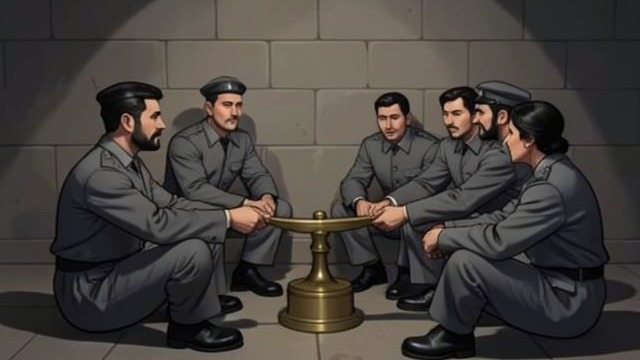
Prisoners are stripped of professions, possessions, and personal identities in the camps. The state seeks to make them interchangeable and politically invisible.
A Different Community
The prisoners form a community of mutual recognition, calling one another brother, sister, and friend rather than using official political language. The attempt to erase identity produces new forms of solidarity.
Surveillance Meets Friendship
The Count’s Network
Informal Protection
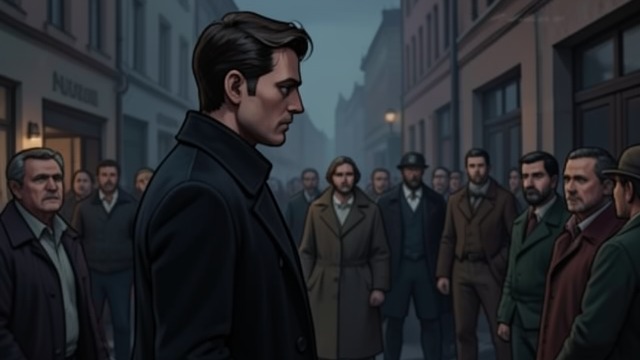
Count Alexander Ilyich Rostov relies on Andrey Duras, Emile Zhukovsky, Viktor Stepanovich Skadovsky, and Richard Vanderwhile to help Sofia and himself. Each person contributes a small, risky act.
Limits of Control
The state’s surveillance network is formidable but cannot perfectly anticipate private loyalty. The novel’s escape depends on relationships that official files cannot fully describe.
After 1917
1927
1920s–1950s
1930s–1940s
June 1954
